
In the ever-evolving digital landscape, driving organic traffic to your website has become increasingly challenging. With countless websites competing for attention, it’s crucial to employ effective strategies to stand out in the crowd. One such strategy that can make a significant difference is optimizing OnPage SEO.
What is On-Site SEO?
On-site SEO, short for On-Page Search Engine Optimization, refers to the practice of optimizing individual web pages to improve their search engine rankings and attract more organic traffic. Unlike off-page SEO, which focuses on external factors like backlinks, on-page optimization revolves around optimizing the content and structure of your website to enhance its visibility to search engines.
Why is OnPage SEO Important?
Improved Search Engine Rankings:
By optimizing On-Page Search Engine elements such as meta titles, meta descriptions, header tags, and keyword usage, you can increase the chances of your web pages ranking higher in search engine results pages (SERPs).
Enhanced User Experience:
A well-optimized website is more user-friendly. Faster loading times, mobile responsiveness, and easy navigation contribute to a positive user experience, which can lead to higher user engagement and longer time spent on your site.
Higher Click-Through Rates (CTR):
Crafting compelling meta titles and descriptions can entice users to click on your link when it appears in the search results, leading to higher CTRs.
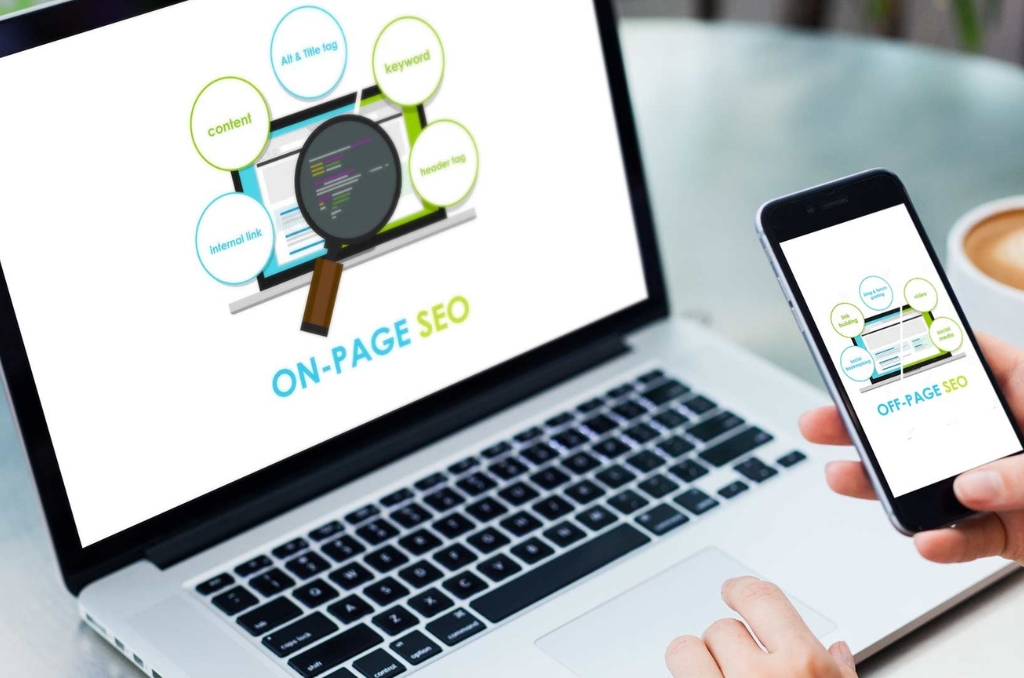
Optimizing On-Page SEO Techniques for More Traffic
Keyword Research:
Conduct thorough keyword research to identify relevant search terms related to your content. Integrate these keywords naturally into your content, headings, and meta tags. Remember, keyword stuffing is a no-go.
Quality Content:
Content is king, and high-quality, informative, and engaging content will keep visitors on your site longer. Make sure your content answers users’ queries and provides value.
Mobile Optimization:
Given the increasing use of mobile devices, it’s crucial to have a mobile-responsive website. Google’s algorithms prioritize mobile-friendly sites, so ensure your design is adaptable to various screen sizes.
Page Speed:
Slow-loading pages can lead to a high bounce rate. Optimize images, reduce unnecessary scripts, and employ content delivery networks (CDNs) to improve page speed.
Meta Tags:
Craft enticing meta titles and descriptions that accurately reflect your content and encourage clicks. Including target keywords in these tags is essential.
Internal Linking:
Use internal links to guide visitors to other relevant pages on your website. This not only improves navigation but also distributes authority throughout your site.
User-Friendly URLs:
Keep your URLs short, descriptive, and easy to read. Avoid using complex, jumbled strings of characters.
Regular Updates:
Keep your content fresh and up-to-date. Search engines favor regularly updated websites, as it demonstrates relevance and authority.
Conclusion
if you want to drive more organic traffic to your website, optimizing OnPage SEO is a must. By implementing these strategies, you can improve your search engine rankings, enhance the user experience, and ultimately attract more visitors to your site. So, don’t underestimate the power of OnPage SEO in your digital marketing efforts.